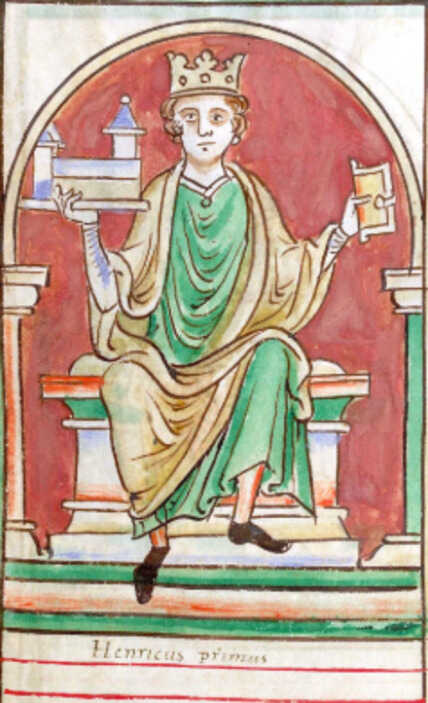
Tomado de la Crónica iluminada de Mateo París. Matthew Paris (c. 1200–1259).
Fuente: https://www.historyisnowmagazine.com/
Since antiquity, societies have shown a persistent attachment to kings: a visible authority who embodies order and concentrates power. Once the necessity of a monarch is accepted, a hierarchy naturally follows, legitimising inherited privilege and entrenched structures of dominance.
In Britain, monarchy is closely tied to religion. The sovereign serves as head of the Church of England, merging political authority with spiritual legitimacy. Ritual, symbolism and tradition reinforce this structure, sustaining a system in which power is both visible and ceremonial.
In the modern era, celebrity has been absorbed into this framework. Public figures are granted titles, lending contemporary appeal to ancient privilege. The institution adapts, incorporating popular culture to preserve continuity.
Spain offers a sharp historical lesson. In 1812, in Cádiz, three hundred reformers drafted a constitution placing sovereignty in the people rather than the monarch. It promised male suffrage, freedom of the press and a constitutional monarchy with strictly limited powers—an early milestone of European constitutionalism.
Yet after the war, Fernando VII abolished the constitution, restored censorship and persecuted reformers. The public celebration that welcomed him back revealed a recurring paradox: the human tendency to embrace systems that constrain their own freedom.
Today, the British monarchy continues to prompt debate. In a society marked by deep inequality, the essential question remains: what moral authority can inherited power claim, and what purpose is monarchy ultimately meant to serve?