Fuente: https://stock.adobe.com/
leer en español
ler em português
During my years on the school swim team, as practices grew longer and more intense, dismissal crept later into the evening. In my beautiful Caracas—especially between November and February—between six and seven o’clock at night, the cold set in. You left the pool frozen after four hours of swimming, skin goosebumped.
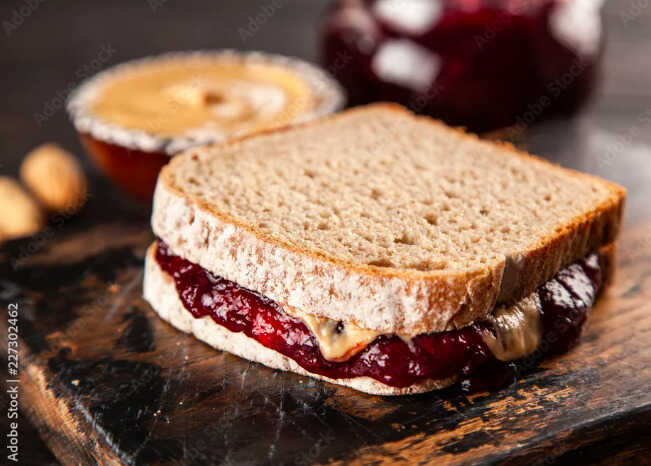
I would get dressed quickly and, outside, there was “la lancha,” as we called the red 1975 Caprice Classic my mom drove. Getting in meant a hair tousle, a kiss, and a thermos of hot Toddy or Ovomaltine. But what stayed with me most was the peanut butter and jelly sandwich. I remember the first bite clearly: the peanut flavor mixed with the sweetness of the jelly and the contrast between dry and smooth textures.
That sandwich became a reward for effort, a tide-me-over on the way home, and a quiet act of love. With time, I understood that the peanut butter—found in the imported foods aisle—was also a small luxury in a tightly balanced household.
Years later, living near Boston, the sandwich returned through my American mom, Kathy, becoming an emotional bridge during my first long separation from my Venezuelan family.
In the ICU, during long and draining rounds, my mentor Alan Lisbon introduced the most austere version: the peanut butter lollypop. No bread. No jelly. Low-calorie, fast, and functional. Later, when I led trauma ICU rounds myself, I brought back the sandwich as something to share. With whatever bread, whatever peanut butter, and whatever jelly, while a pot of Folgers coffee brewed, we gathered in the ICU staff lounge for a brief pause before moving on. Among the team was KD González—then a resident and also a swimmer—who still remembers those moments during long, demanding, yet happy days.
That is when I understood that peanut butter and jelly is not just food. It is memory. It is discipline. It is resilience. It is connection. And, in all its forms, it is love.