Fuente: https://pt.wikipedia.org/
Tomás, at almost ten years old, not only already knows what a haiku is, but he’s written one.
His teacher showed it to me, and I was impressed; I regret not having it on hand to share.
From a very young age, my father would recite García Lorca and Manuel de Góngora. But I confess that I only discovered the haiku genre as an adult, and I must say that I was drawn to it by its way of capturing a feeling.
A haiku is a short poem of Japanese origin, traditionally composed of three unrhymed lines of five, seven, and five syllables.
It’s an impulse that captures a moment and leaves the reader in a state of contemplation and wonder.
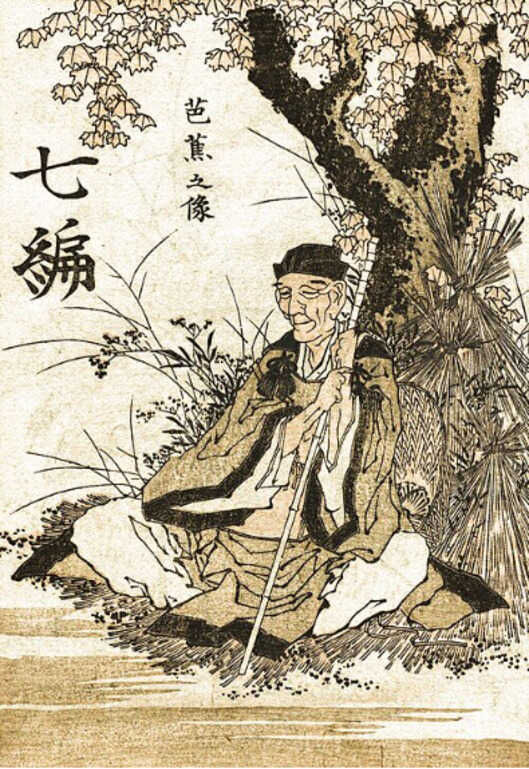
Matsuo Bashō (1644-1694) is considered one of the great masters of this genre. One of his best-known haiku is:
furuike ya old pond
kawazu tobikomu a frog leaps in
mizu no oto water’s sounds
The poet Octavio Paz was an admirer of them and, besides translating Bashō, composed some that are now considered haiku:
the day opens its hand
three clouds
and these few words
And this one:
people, words, people
I hesitated for a moment
the moon above, alone
I had the honor of having some of my own haiku published in an anthology in 2024. I will share one of them:
the weight of your hand
on my shoulder
it is night in heaven
For me, a haiku is just that…a sudden tremor.
